Material
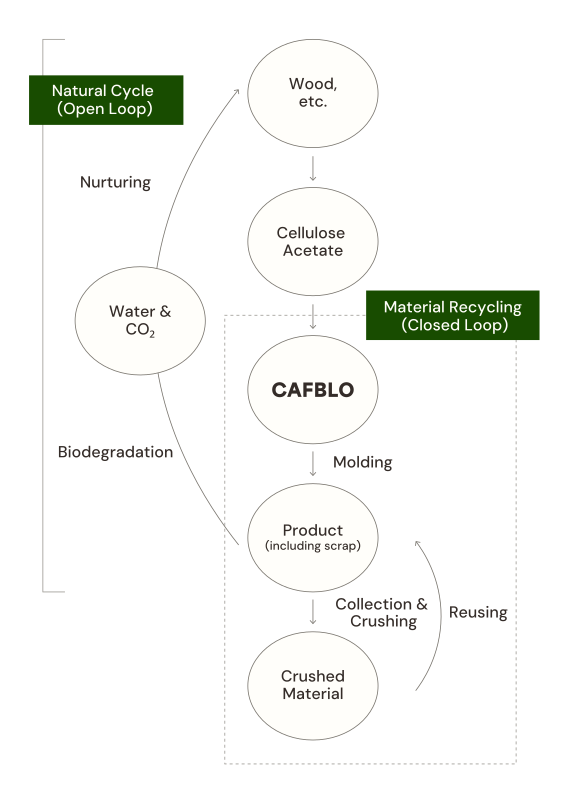
CAFBLO is a cellulose acetate material derived from plant-based biomass. Developed by Daicel, founded in 1919, it draws on over a century of cellulose chemistry expertise to realize two distinct cycles of circularity. CAFBLO can be mechanically recycled and reprocessed into new forms, and when that lifecycle concludes, it biodegrades naturally, returning to the environment. High transparency, precision processing, and genuine sustainability — in a single material.

Biomass-derived
Sourced from non-food biomass such as wood. Cellulose-based and grown from renewable natural resources.
Biodegradable & Compostable
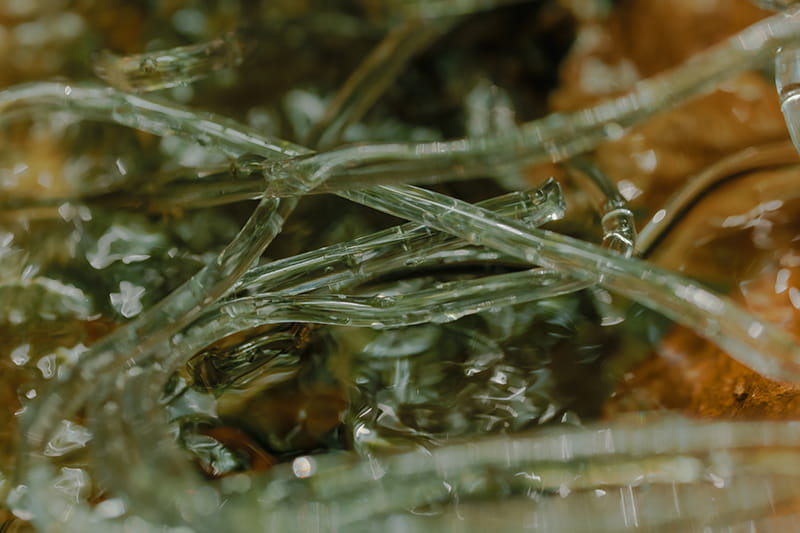
Biodegrades in marine and compost environments. Ultimately converts into water and CO₂. Degradation rate varies by shape and environment.
Material Recyclability
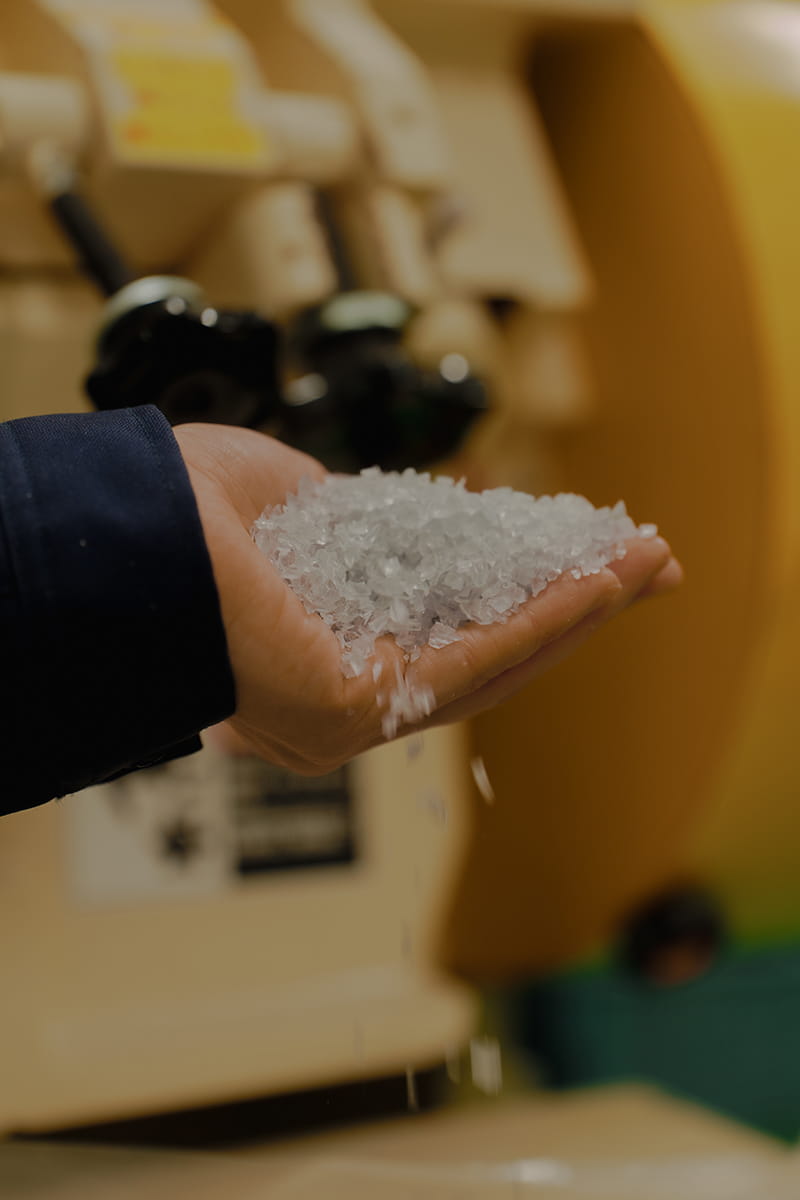
Molded parts can be crushed and re-pelletized. Reintroduced directly into the molding cycle, reducing waste.
Transparency
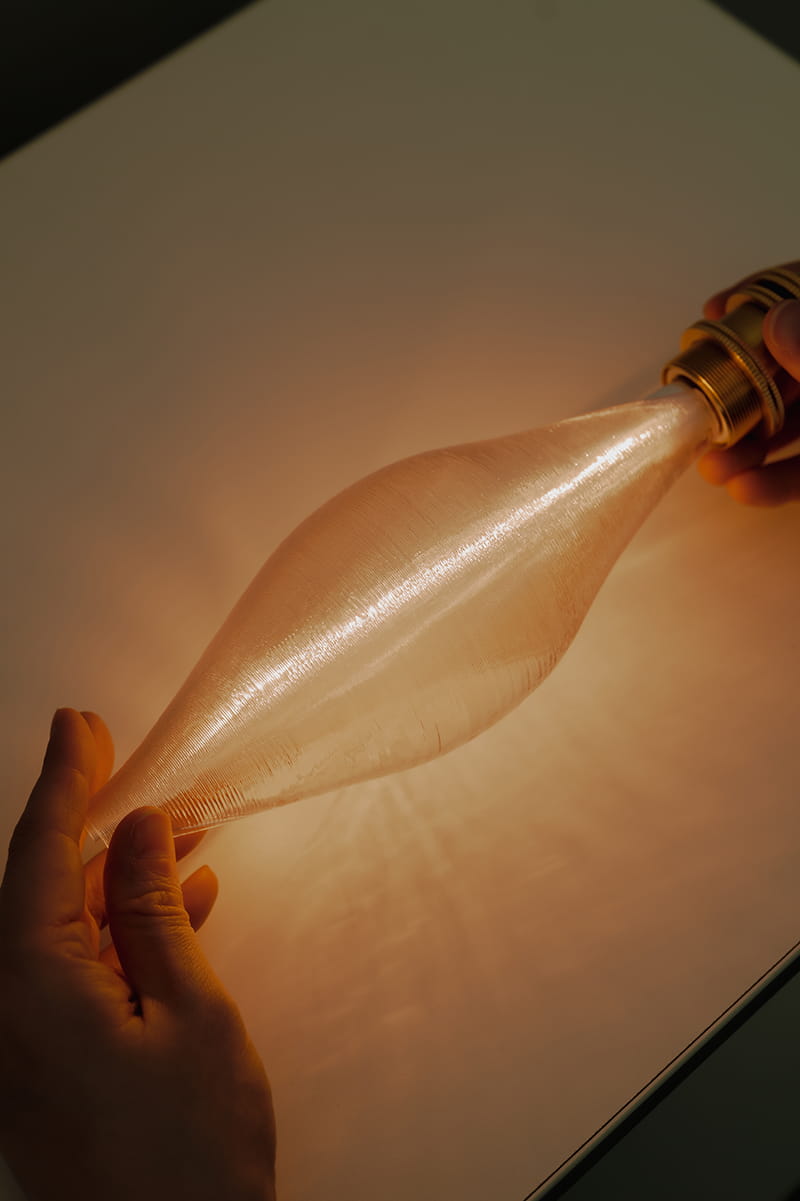
Delivers high transparency and brilliant gloss, offering excellent aesthetic and design appeal.
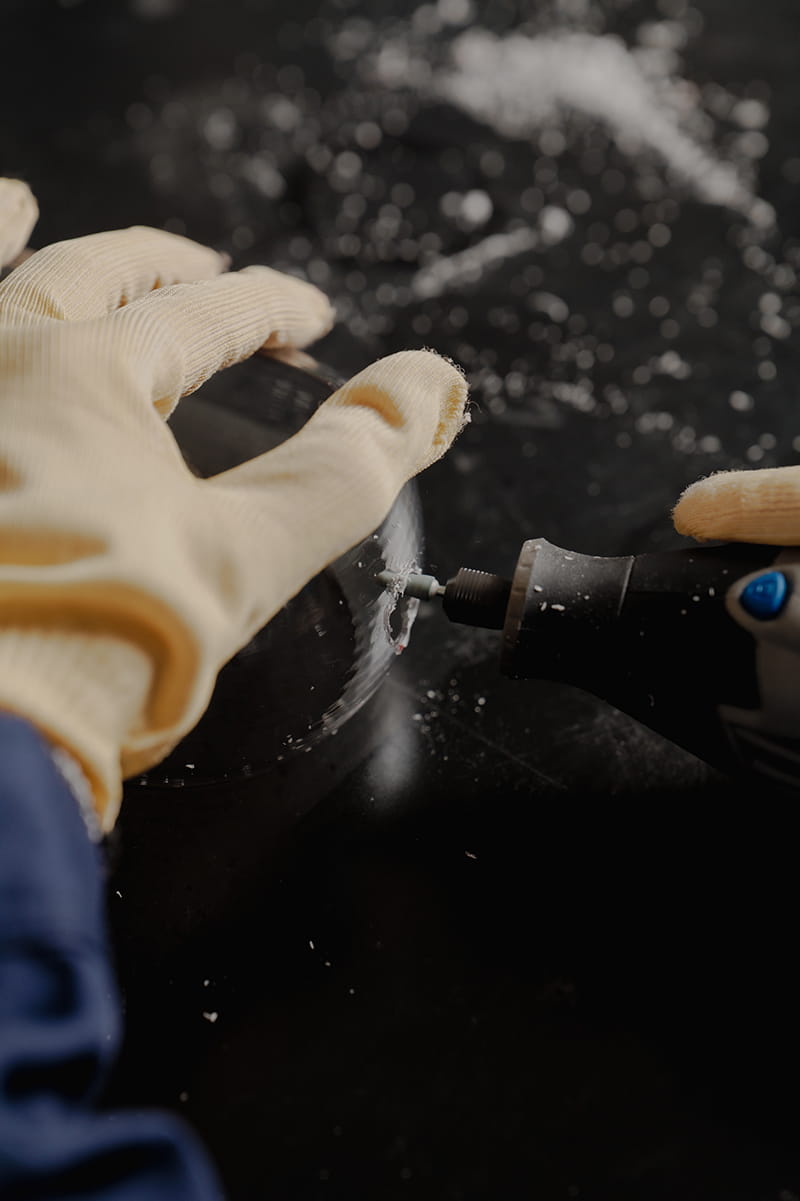
High Machinability
Supports cutting, drilling, and polishing after molding. Resists cracking while retaining high transparency.
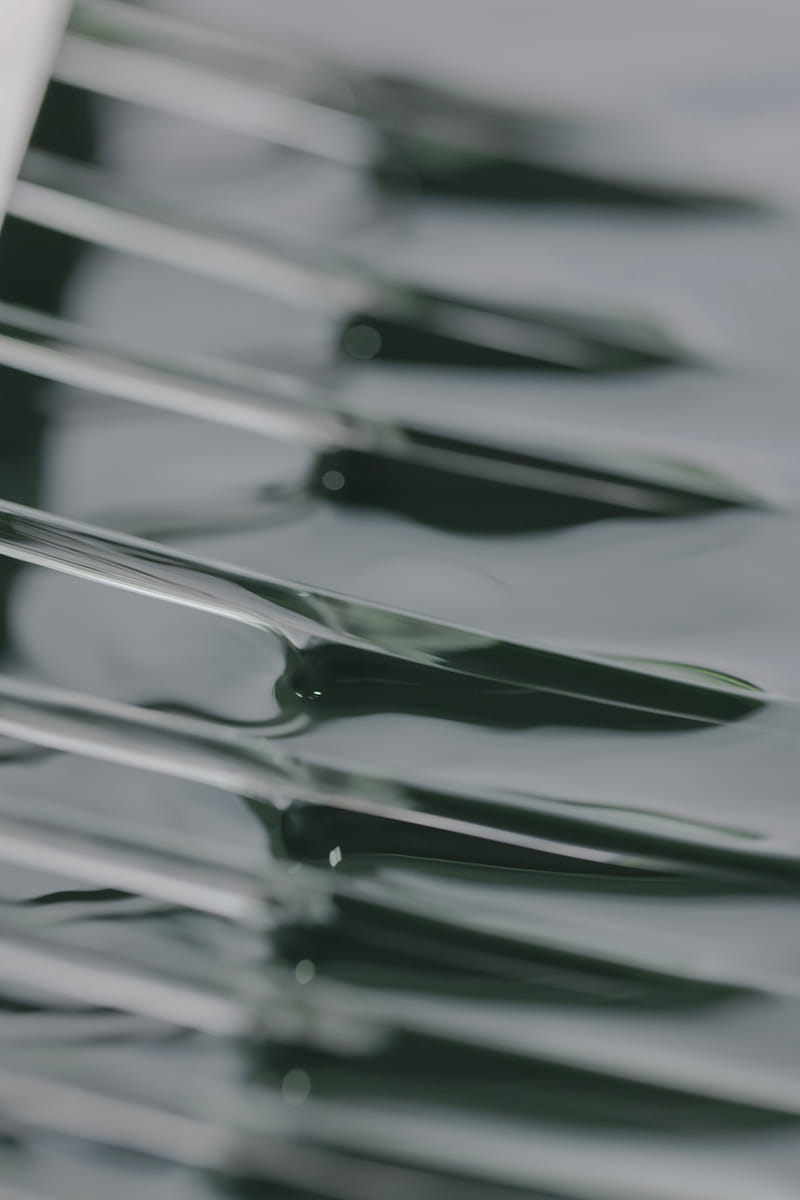
Antibacterial
Confirmed antibacterial activity against Escherichia coli and Staphylococcus aureus.
Applications
CAFBLO can be processed into a wide range of forms without compromising its core material properties. Various forming methods open the range of what you can make from one material.
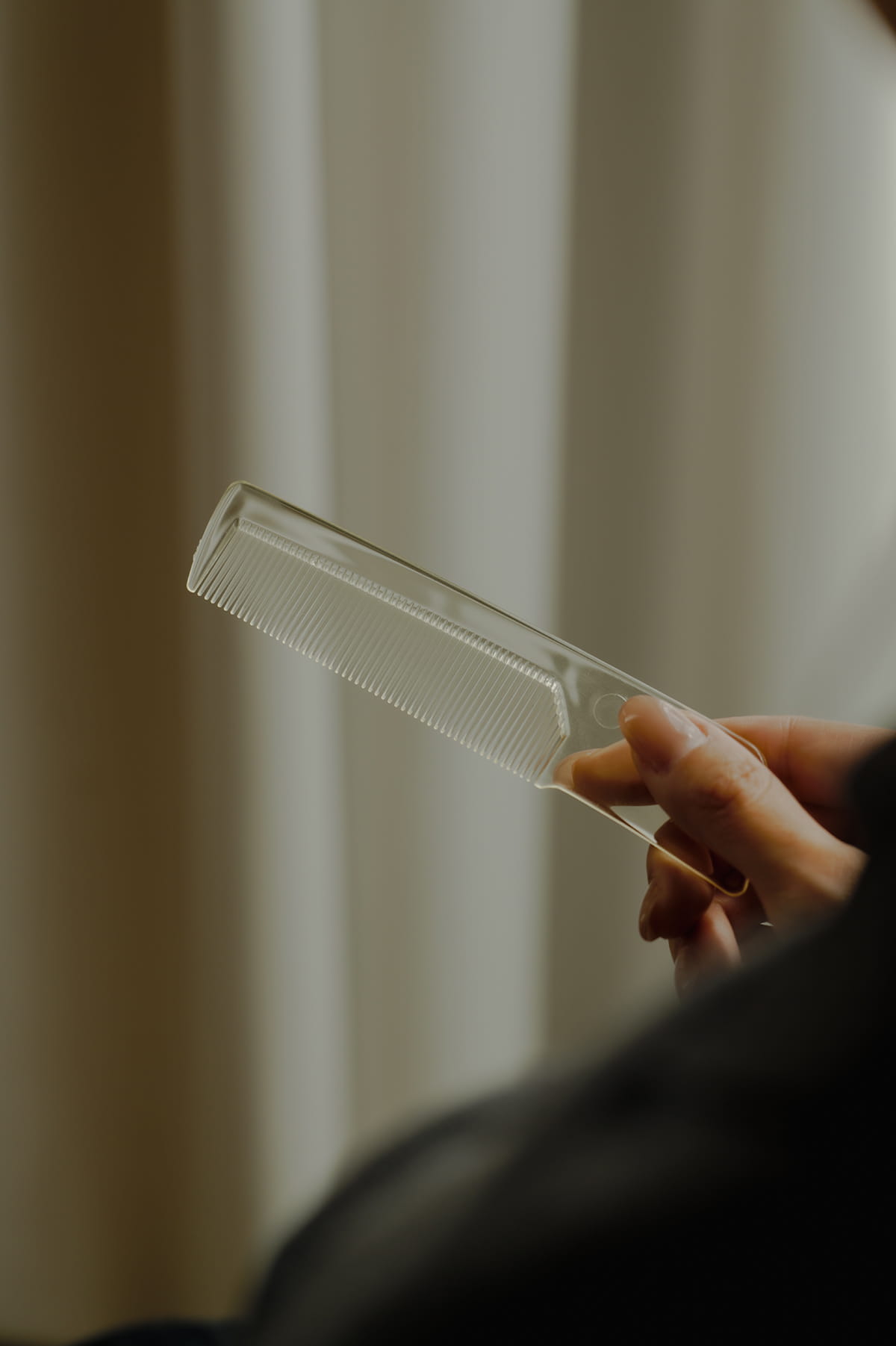
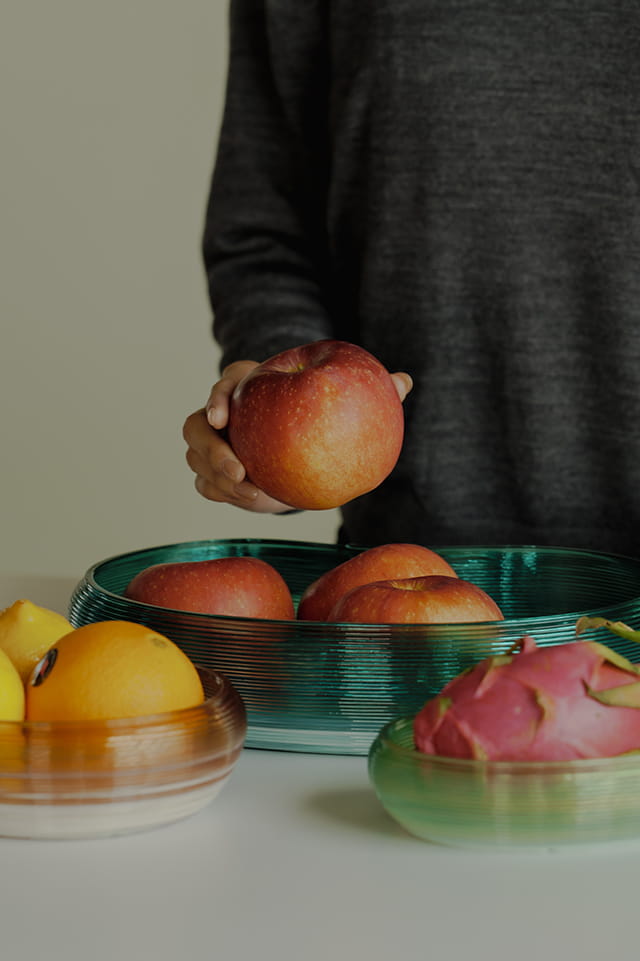
Injection Molding
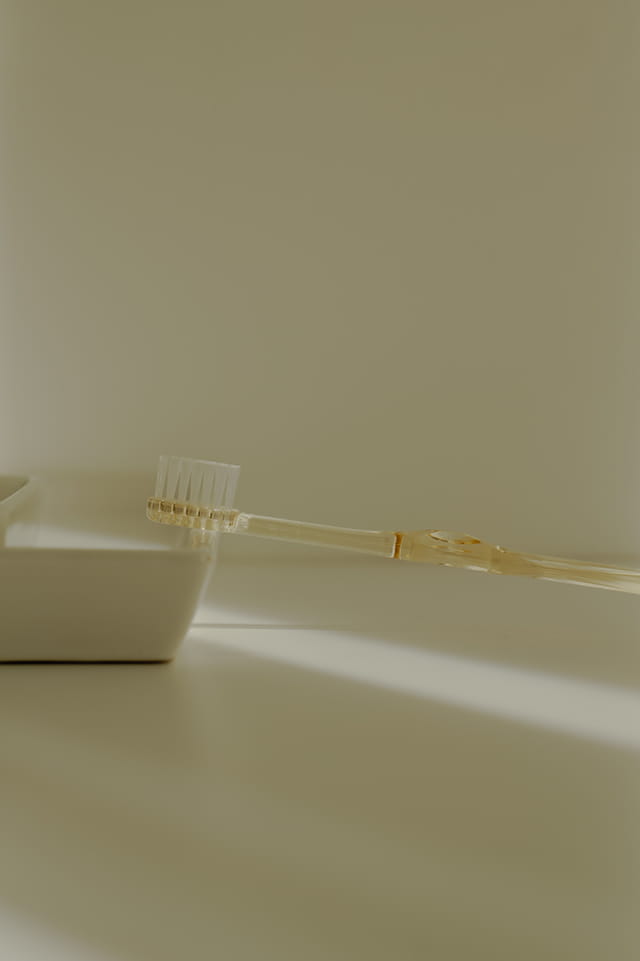
High-volume production with precise geometry. Suitable for daily goods, and furniture components.
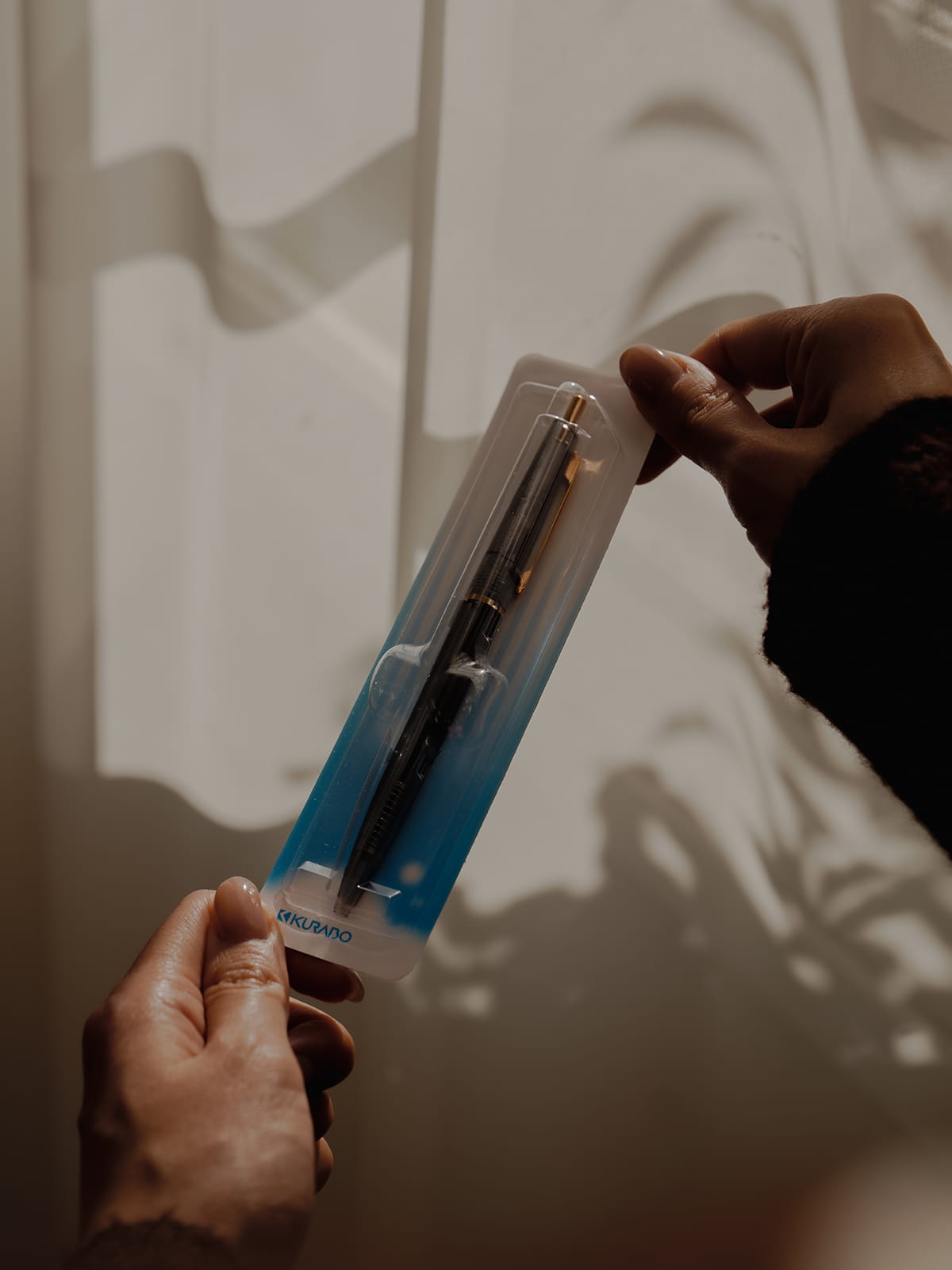
Sheet Forming
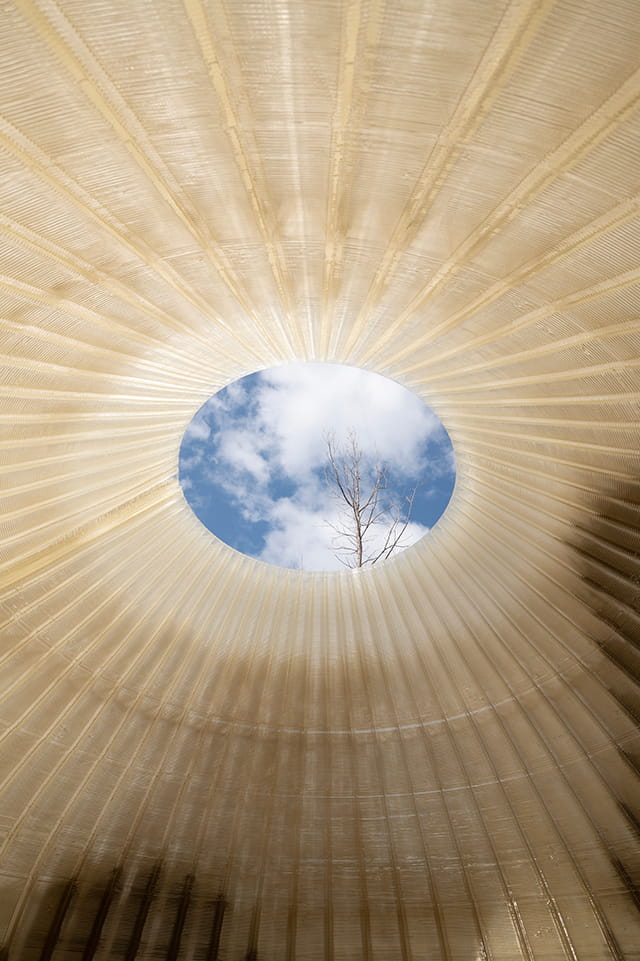
Leverages high transparency and formability. Ideal for food packaging and blister applications.
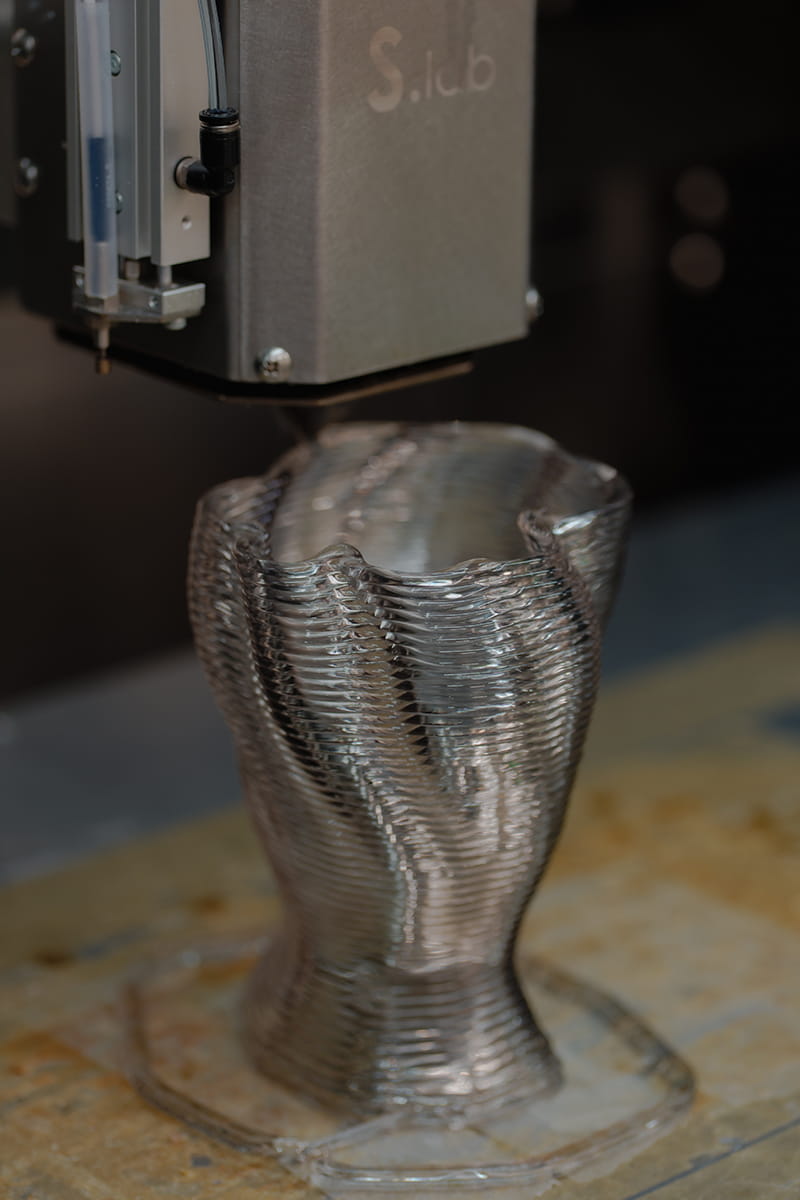
3D Printing
Compatible with both pellet-based (FGF) and filament-based (FFF) methods.
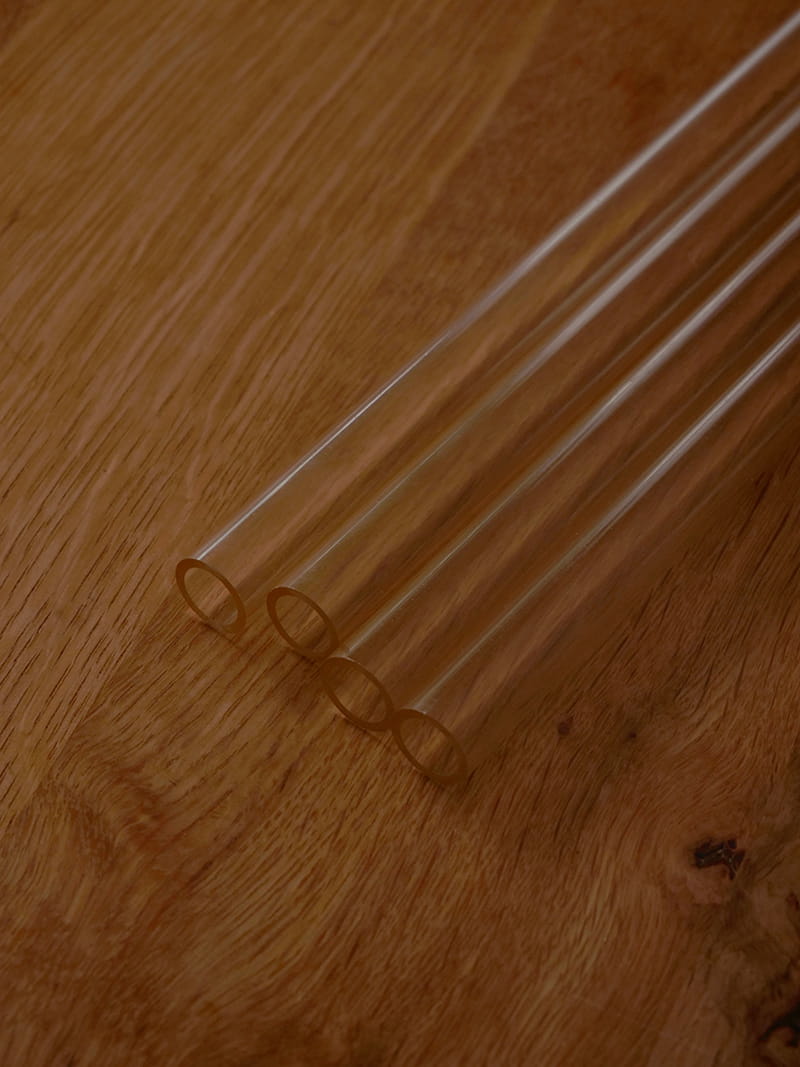
Extrusion Molding
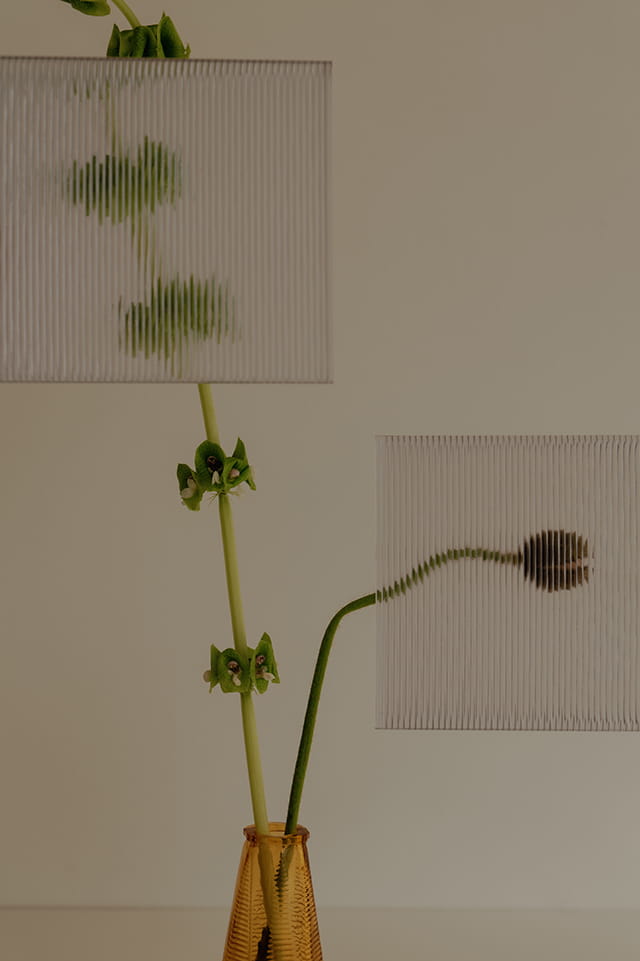
Enables continuous profiles such as rods and pipes in various dimensions.

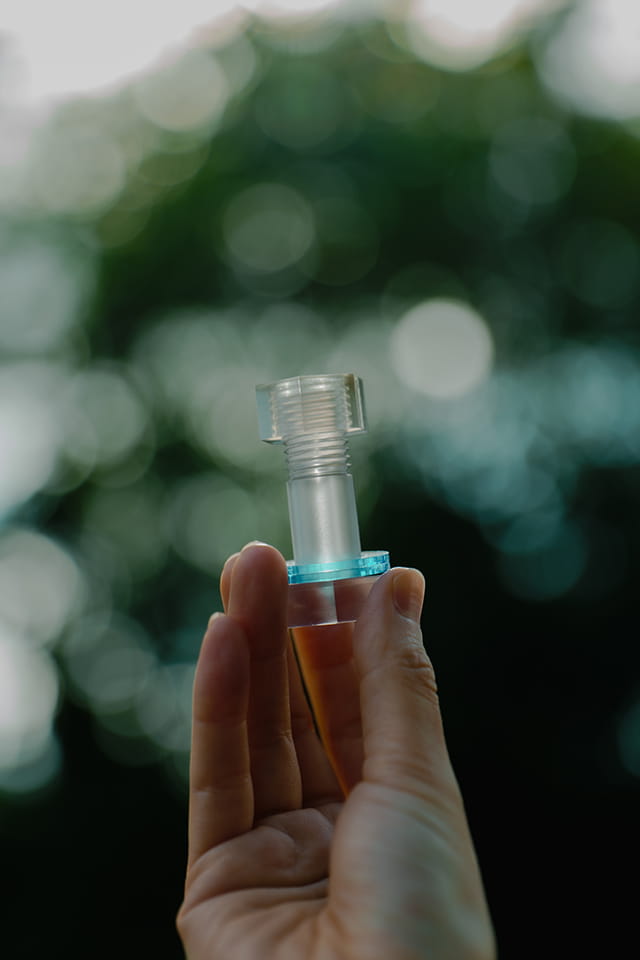
Machining
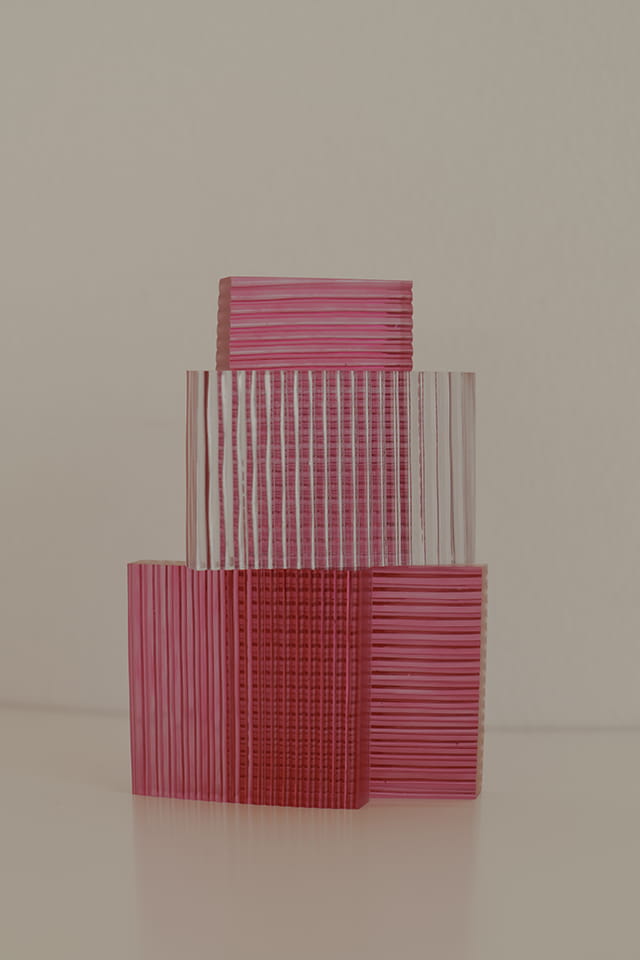
Cutting and polishing allow precise shaping and the addition of decorative finishes.


Sustainability
Biodegradation Performance
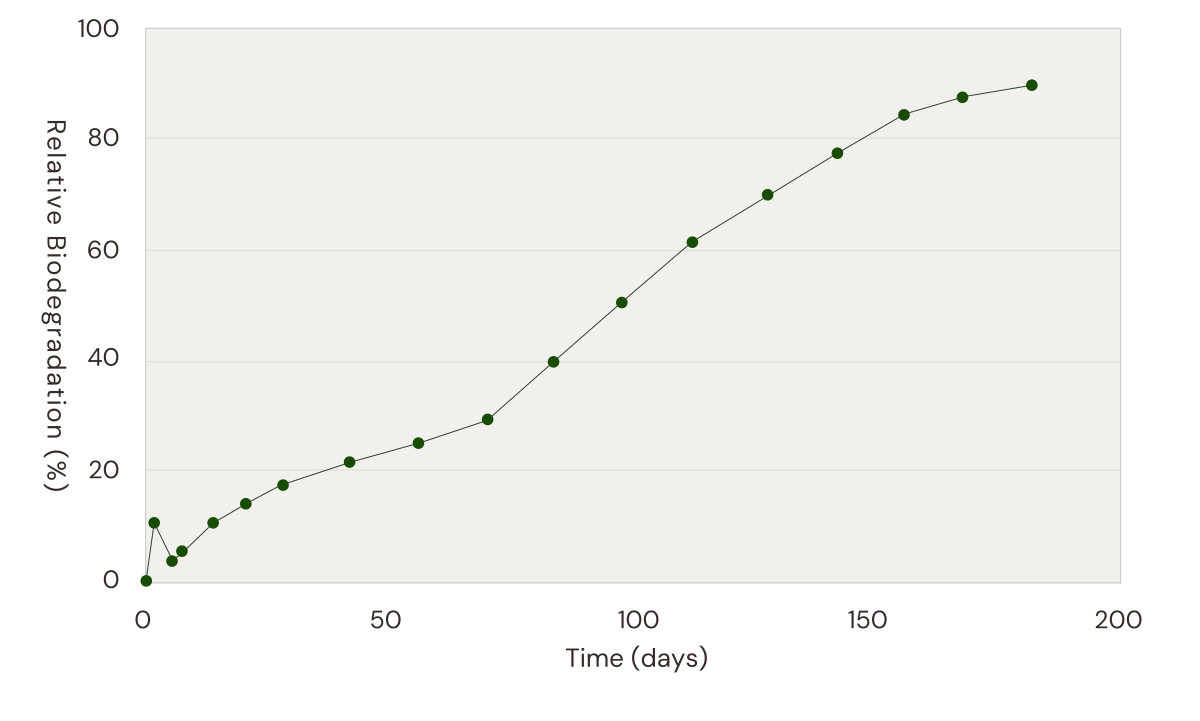
Testing Conditions:
- Results: Marine biodegradation performance.
- Test Method: ASTM D6691
- Testing Laboratory: OWS
- Incubation Temperature: 30°C
- Measurement Method: Biodegradation rate was determined by quantifying CO₂ evolved from microbial decomposition of the test specimen in seawater.
- Relative Biodegradation: Values are expressed relative to the biodegradation rate of cellulose tested concurrently as a reference material.
- Note: Results are representative of specific CAFBLO grades and serve as reference data. Actual performance may vary and is not guaranteed.
Resources
Technical data
| Grade | Color | Processing Temp. Range (injection) | Applications |
|---|---|---|---|
| RSS025 | Natural, Blueing | 190–210 °C | Injection Molding, Extrusion Molding, Sheet Forming, etc. |
| RSF208 | Natural, Blueing | 180–200 °C | Injection Molding, Extrusion Molding, Sheet Forming, etc. |
| RSF038 | Natural, Blueing | 180–200 °C | Injection Molding, Extrusion Molding, Sheet Forming, etc. |
| RSD038 | Natural, Blueing / Masterbatch: Cyan, Magenta, Yellow, White | 200–230 °C *3D printing (FGF) | 3D Printing |
| RWX012 | Natural, Blueing | 220–240 °C | Injection Molding, Extrusion Molding, Sheet Forming, etc. |
| RSX035 | Natural, Blueing | 200–220 °C | Injection Molding, Extrusion Molding, Sheet Forming, etc. |
* Under completely dry conditions
For detailed technical information, please contact us below.
Contact
For product inquiries, sample requests, or business opportunities,
we look forward to hearing from you.