
HISTORY
What Is Celluloid?
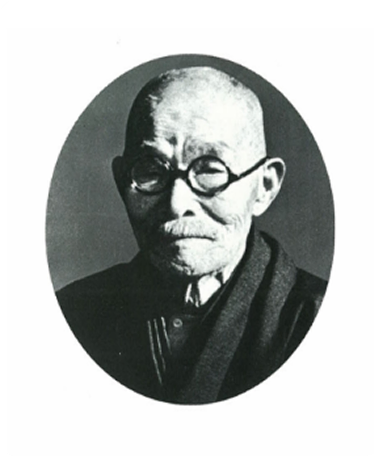
Celluloid, invented in the late 19th century and commercialized by the American John Wesley Hyatt (1837–1920), was the world’s first man-made plastic.
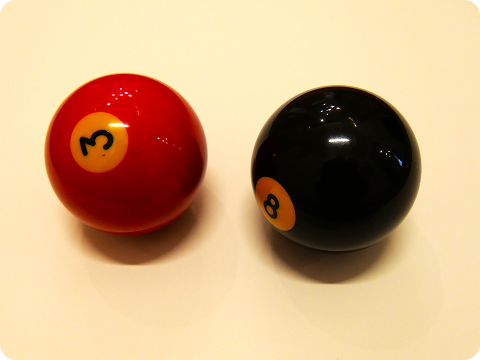
Celluloid was first used to make billiard balls. This came about when ivory, the material then used for billiard balls, became increasingly difficult to obtain, prompting a prize to be offered for the development of a substitute.
Celluloid later found a wide range of uses, from household goods and decorative items to photographic and motion picture film.

Domestic Production of Celluloid in Japan
A New Material Begins to Drive Japanese Industry
Celluloid was eventually introduced to Japan, where it came into widespread use in familiar products such as stationery, household goods, and decorative items.
Revolutionary for its time, celluloid was lightweight, durable, easy to work with, and visually appealing, making it especially well suited to Japanese craftsmanship and manufacturing.
During this period, many companies specializing in celluloid processing were established in Japan.

At the time, camphor, one of the main raw materials for celluloid, was exported from Taiwan (then a Japanese colony) to Europe and the United States, while Japan imported celluloid sheets.
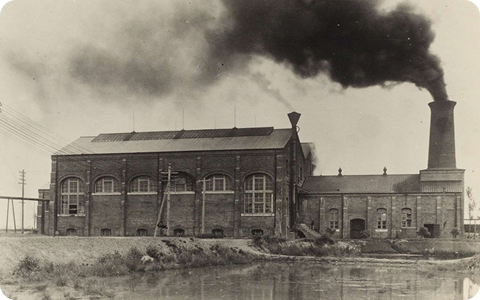
As demand grew, major business groups such as the Mitsui and Mitsubishi families, Suzuki Shoten, and Iwai Shoten moved to establish fully integrated domestic production of celluloid from raw materials, leading to the founding of Sakai Celluloid Co., Ltd. and Nippon Celluloid Artificial Silk Co., Ltd. in 1908.
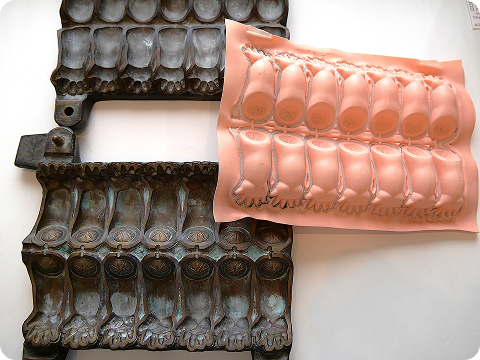
In the 1910s, processed celluloid products included everyday and decorative items such as combs and hairpins, as well as toys like Kewpie dolls. During World War I, exports of celluloid and celluloid products surged, and Japan’s celluloid industry prospered.
However, the rapid rise in the number of domestic celluloid manufacturers led to excessive competition, declining quality, and overharvesting of camphor trees used to produce camphor, a key raw material.
Concerned about these developments, eight celluloid manufacturers sought to reorganize the industry. Their merger in 1919 gave rise to Dai Nippon Celluloid Co., Ltd., now Daicel Corporation.
The Society Shaped by Celluloid
Celluloid in Everyday Life
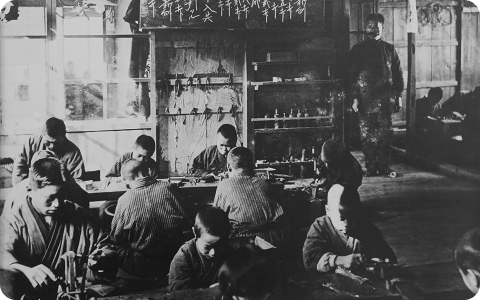
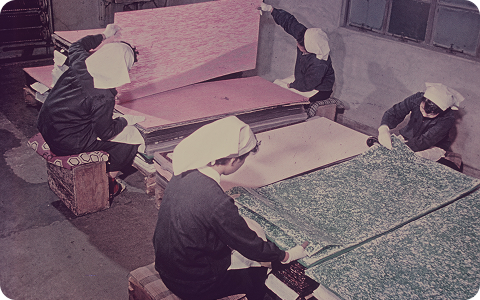
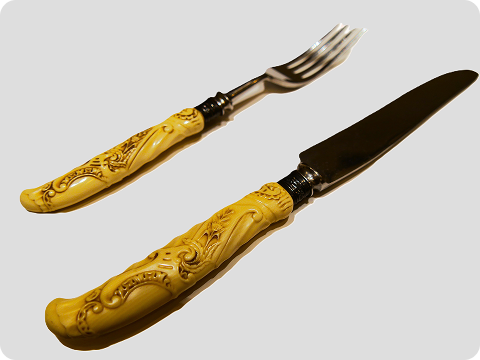
Thanks to a wide range of processing techniques, celluloid products were used in many fields, including stationery, household goods, and everyday items.
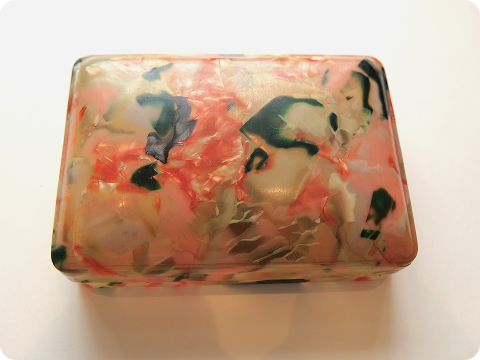
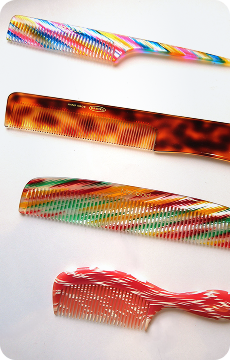
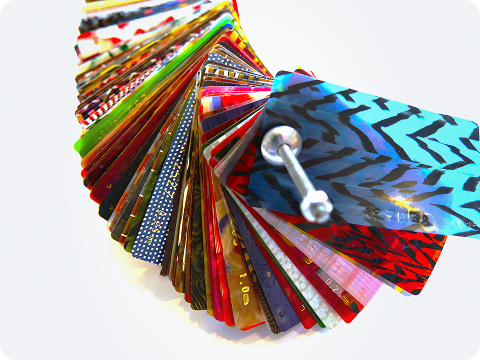
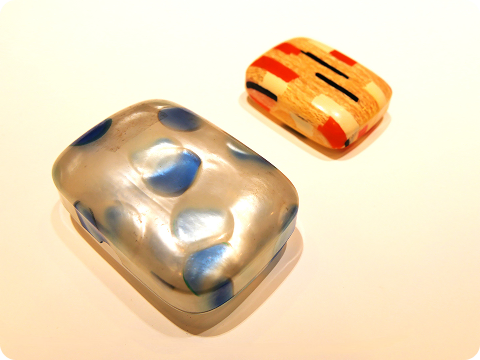
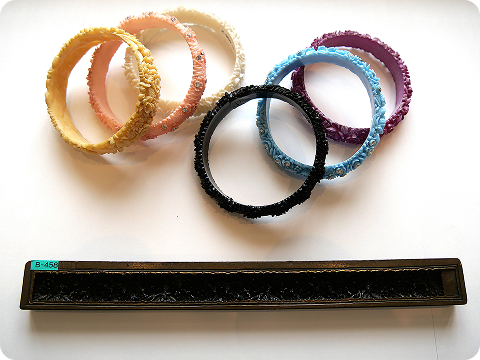
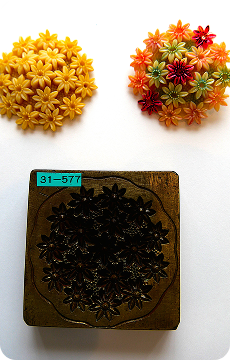
With its beautiful colors and patterns and its ease of processing, celluloid was used for decorative items such as hairpins and combs as a substitute for luxury materials like ivory, tortoiseshell, and coral. As production increased, these products became accessible to a much wider public.
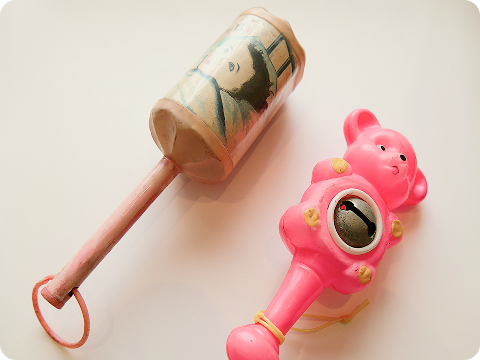
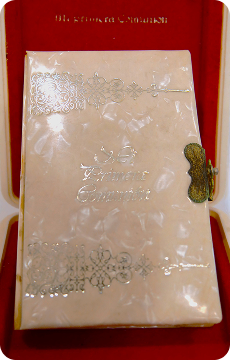
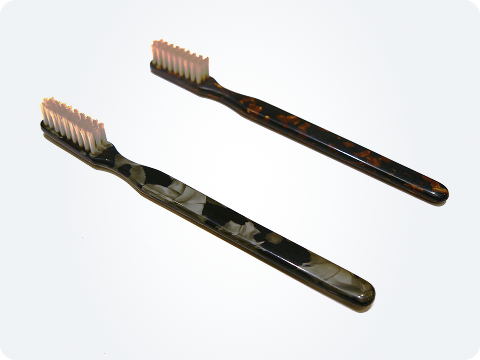
Celluloid was also used in everyday items and stationery such as toiletry goods and desk mats, as well as in toys such as dolls and masks, bringing both convenience and enjoyment to daily life.


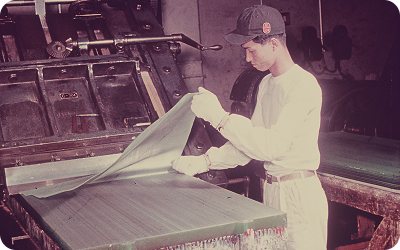
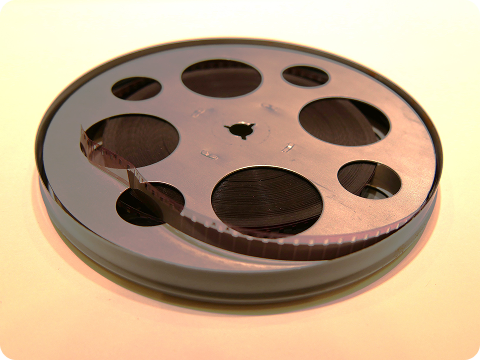
Among its many applications, the development of celluloid film made a particularly significant contribution to the growth of visual media such as photography, cinema, and animation.
Celluloid film was developed in the United States in 1889. Recognizing that domestic production of celluloid film would contribute not only to industrial development but also to the growth of the Japanese economy, our company, then Dai Nippon Celluloid Co., Ltd., began research around 1920. At the same time as developing film manufacturing technology, the company also began building a production facility in Minami-Ashigara, Kanagawa Prefecture.
In 1933, the photographic film business was spun off to establish Fuji Photo Film Co., Ltd. (now Fujifilm Holdings Corporation), which went on to produce high-quality photographic and motion picture film.
The Rise and Fall of the Celluloid Industry
Celluloid’s Gradual Decline Over Time
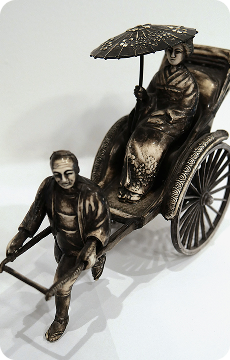
Easy to shape, thin, lightweight, and water-resistant, celluloid found its way into many aspects of everyday life, from ornate decorative items and household goods to products used in culture and entertainment. Japanese celluloid products, crafted with precise processing techniques, brought out the material’s natural beauty and were shipped both domestically and overseas as high-end goods. Colorful dolls and animal figurines also became popular as toys that inspired children’s creativity. By the 1930s, Japan’s celluloid industry had grown to lead the world in both output and quality.

Once hailed as a “dream material” and widely used in everyday life, celluloid had one major drawback: it was highly flammable.
As the petrochemical industry advanced and new plastics were developed and improved, concerns over celluloid’s flammability, along with the cost limitations of labor-intensive production, gradually drove it out of the market.
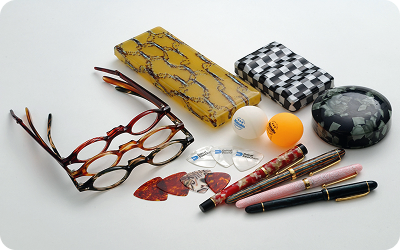
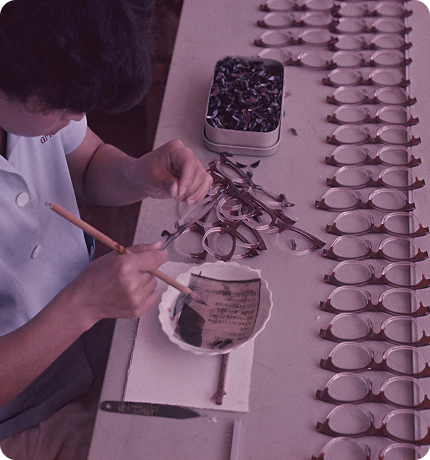
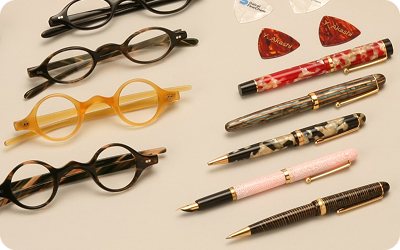
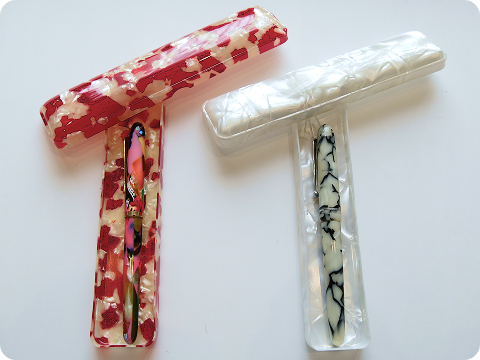
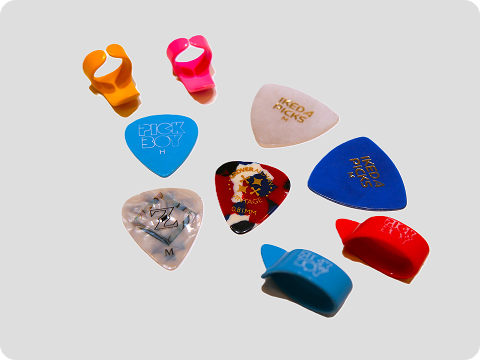
Today, celluloid is still used in select applications such as fountain pens and eyeglass frames, valued for its distinctive texture and beautifully rich color.
Innovation Born from Celluloid
As Times Change, Materials Evolve
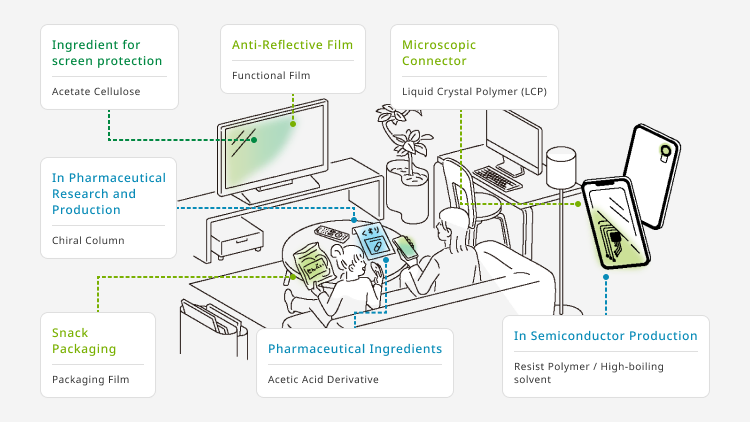
Although celluloid was prized as an outstanding plastic, its flammability posed a serious challenge, as it could cause fires and other safety issues. Research aimed at improving fire safety led to the development of acetate plastic, which replaced cellulose nitrate (nitrocellulose), the raw material of celluloid, with cellulose acetate.
In 1929, Daicel developed and began producing acetate plastic made from cellulose acetate under the brand name Acety®.
We later began producing acetic acid from carbide as a starting material in order to establish integrated production of cellulose acetate from raw materials onward. We went on to commercialize acetic acid derivatives, expanding our organic synthesis business in the process.
Cellulose acetate is a biodegradable material. We have also developed grades with enhanced biodegradability, including CAFBLO® and BELLOCEA®, and are attracting attention by offering them as one possible solution to the problem of plastic waste in the oceans.

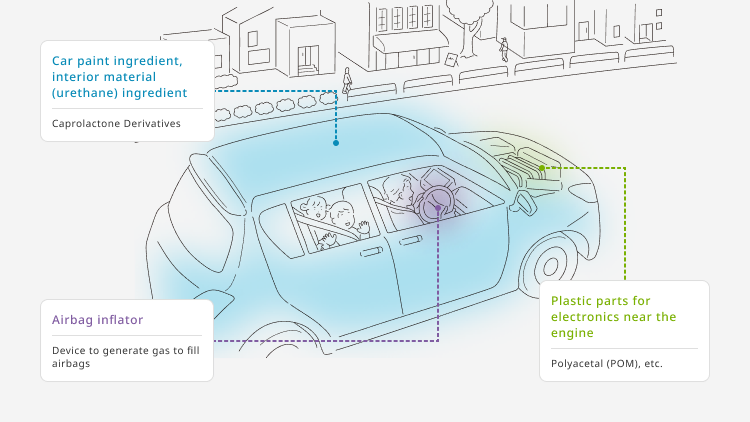
Meanwhile, because cellulose nitrate (nitrocellulose), the raw material of celluloid, can also be used in explosives, Daicel has been manufacturing explosives since our earliest years. Building on this flammable property, we developed a technology that instantly generates gas through a chemical reaction and controls pressure. This led to the commercialization of inflators for automotive airbags, which today help protect vehicle occupants around the world.

GALLERY



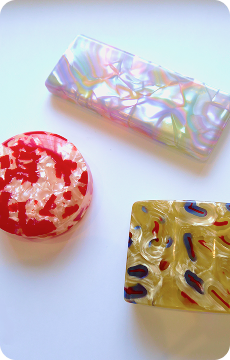
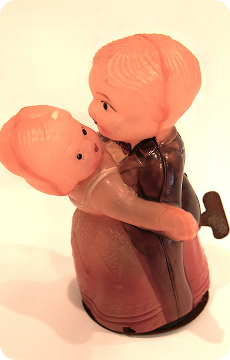
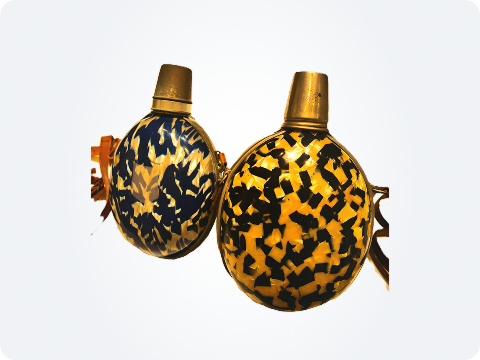
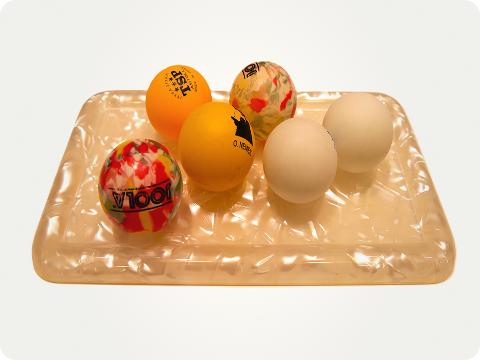








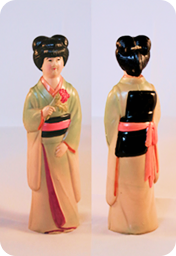
The Celluloid Dolls That Returned from America
These celluloid dolls were originally exhibited in the Japan Pavilion at the 1915 Panama-Pacific International Exposition in San Francisco. They were later discovered by Ms. Yoshiko Yamamoto of the Museum of Anthropology at San Francisco State University, and in accordance with her wish to see them returned to Japan, they were donated to Daicel and came back to Japan for the first time in 100 years.
They were also displayed again at the 2025 Osaka-Kansai Expo during “Daicel Week: Passing on Memories,” a special exhibition event held at the signature pavilion “Dialogue Theater – sign of life -”.
These dolls are now on display at the Daicel Ijinkan.