
Product Uses
Lithium-ion batteries
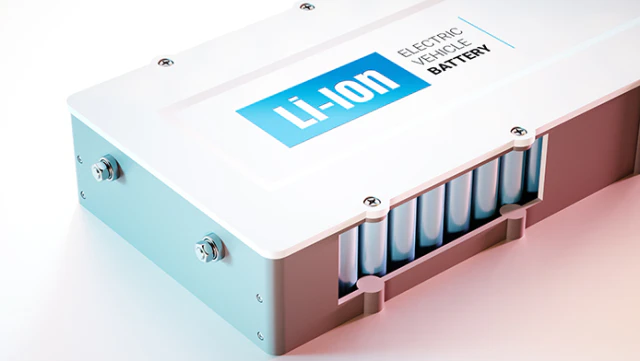
CMC (Carboxymethyl Cellulose)
CMC is used as a thickening agent in the process of manufacturing negative electrodes for lithium-ion batteries, with cellulose, a plant-derived natural material, as the raw material. It has good compatibility with other anode materials and functions to improve battery performance and is also used in hybrid and electric vehicles.
PP composite resins
PP is an abbreviation for polypropylene, a type of resin and one of the most widely used plastics. PP is extremely lightweight and highly moldable, which is why it is used in a wide variety of everyday products. Our PP composite resin products combine PP resin with reinforcing materials such as glass fibers, and are used in applications including housings for lithium-ion batteries.
Automotive airbags systems
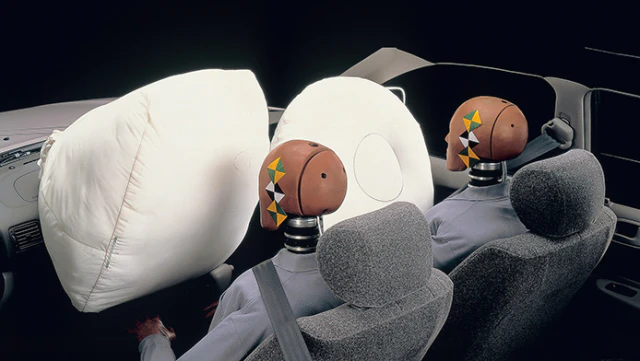
Inflators
An inflator is a device that inflates an airbag when a vehicle is involved in a collision.
It operates upon receiving a signal from the vehicle’s sensors and rapidly delivers gas into the airbag.
Seat belts

Gas generators for seat belt pretensioners (PGG)
When a vehicle is involved in a collision, there is a mechanism that instantly tightens the seat belt to securely restrain the occupant. PGG is a gas generator used to activate this mechanism.
Electrical component circuit protection
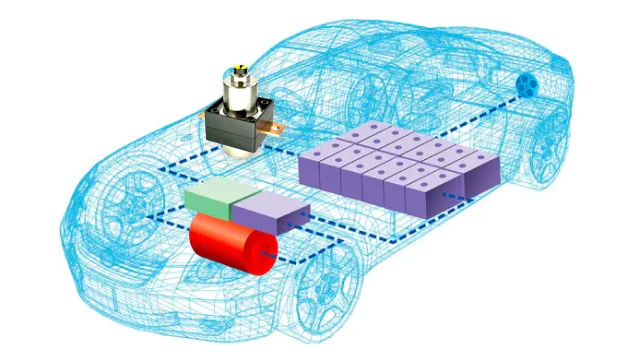
Pyro-Fuse
A pyro-fuse is a device that immediately cuts off the current from the battery in the event of a vehicle accident or malfunction, preventing fires and electric shock.
Fuel pump modules
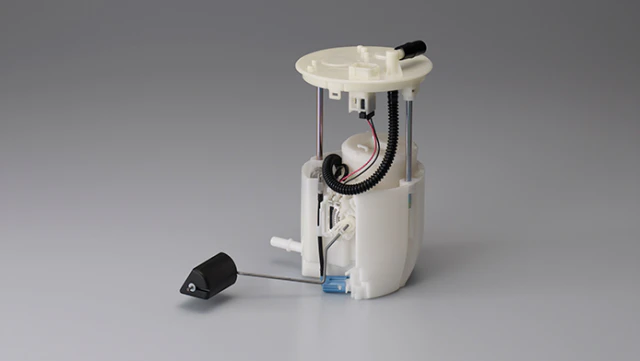
Polyoxymethylene(POM)
POM is a resin that offers a well-balanced combination of self-lubricating properties (maintaining smoothness without the need for lubricants and reducing friction) and oil resistance, and is widely used in safety components and fuel system parts.
PHEV electricity supply connectors
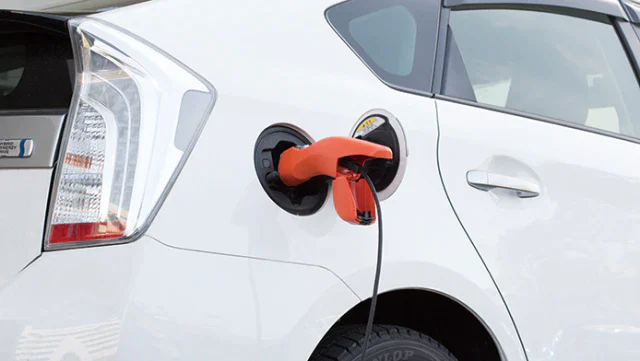
Polybutylene terephthalate (PBT)
PBT is a resin with excellent heat resistance, flame retardance, and electrical insulation properties. Various grades are available to meet different application requirements.
Electric cooling water pumps for PHEV engines
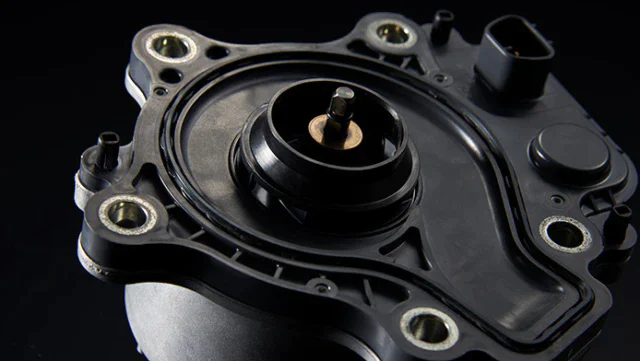
Polyphenylene sulfide (PPS)
PPS is a super engineering plastic with excellent heat and chemical resistance, maintaining its shape and performance even in high-temperature environments around engines, and offering strong resistance to coolants and chemicals.
Shock absorbers
Caprolactone derivatives
When added to resins used in shock absorbers, they impart excellent recovery properties, wear and hydrolysis resistance.
Wheels
Cycloaliphatic epoxies
By adding epoxy resin to CFRP (carbon fiber reinforced plastic) used in wheels, resistance to UV-induced yellowing, chemical resistance, and scratch resistance are improved, making the wheels more durable and longer-lasting.
Automotive paints

Organic solvents (ester solvents)
Organic solvents are used in applications such as automobile body painting. Because the paint dissolves well and dries evenly, it creates a smooth and beautiful finish on the vehicle surface.
EV motors
Cycloaliphatic epoxies
Due to their high heat resistance and excellent insulating properties, they are used as an epoxy impregnation material for insulation and protection.
Tires

Ketene / Diketene derivatives
Ketene/Diketene are used as additives to enhance the performance of rubber and plastics, including improving tire durability.
Precision Parts
Amines
Amines are used as a raw material for molds used in manufacturing high-precision automotive parts.
Interior
Caprolactone derivatives
Caprolactone derivatives are used as a main raw material for polyurethane utilized in automotive seats, allowing desired properties such as texture and hardness to be tailored to customer needs.